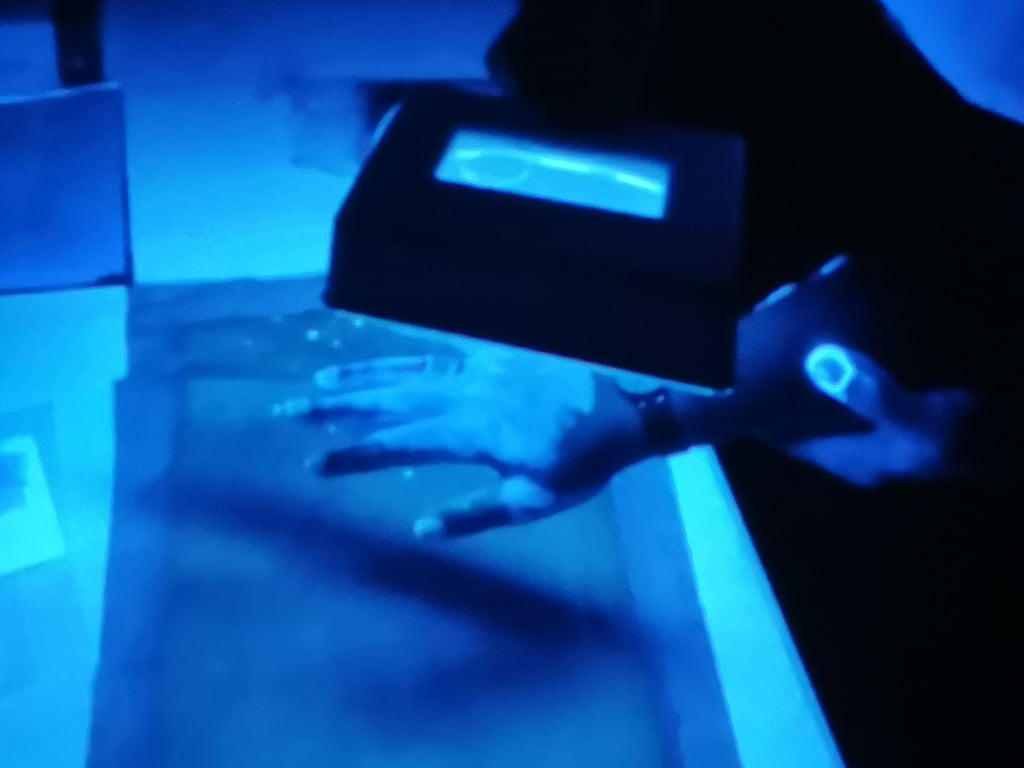

High hygiene standards provide safety for both the consumer and the tattoo artist.
Earlier this year, "Kontant" released a documentary called "Tattooed and Disfigured," which was about shady tattoo shops that, in an attempt to make quick money, disregarded all legal requirements in the tattoo industry in several ways. This is something that the Danish Tattoo Guild has reacted to and states that these types of "tattoo artists" degrade the serious tattoo artists who comply with all rules and requirements. Rules and requirements that have helped the industry to become more on par with other industries. Therefore, as a consumer, you will see that professional tattoo artists strongly distance themselves from these shady individuals, their shops, and business methods.
As mentioned in the documentary, there were a number of missing things at the shady "tattoo artists," especially proper hygiene and hygiene courses.
We recommend watching this documentary, but warn about strong images and that the broadcast is not for the faint of heart, as it shows direct video of the mentioned infection that the woman in the broadcast was subjected to. An infection that could have been avoided if a different tattoo artist with proper hygiene practices had been chosen. It is important for the consumer to know why it is crucial that their chosen tattoo artist adheres to high hygiene standards.
Maintaining a clean and sterile environment is crucial in the tattooing process to ensure both the tattoo artist's and client's safety and well-being.
Here are a number of reasons why the hygiene standard should be high in tattoo shops:
- Prevention of infection: The risk of infection is one of the primary concerns when getting tattooed. Open wounds that occur during the tattooing process are very susceptible to bacterial, viral, and fungal infections. A clean and sterile environment helps minimize the risk of the skin being introduced to bacteria that could lead to infections.
- Blood-borne viruses: The execution of a tattoo involves the use of needles, which can potentially expose both the artist and the client to blood-borne pathogens such as hepatitis B and C as well as HIV. Correct hygiene practices, including the use of disposable needles, other disposable items, proper hand hygiene execution, and proper cleaning of the workstation, etc., are crucial to prevent the transmission of these diseases. A complication can, for example, be needle stick injuries, where the tattoo artist accidentally sticks themselves during the tattooing process.
- Cross-contamination: Cross-contamination occurs when bacteria or other microorganisms are transferred from one surface to another. In a tattoo studio, cross-contamination can happen if equipment, surfaces, or hands are not cleaned and disinfected properly between clients. This can lead to the spread of infections.
- Allergic reactions: Some people may be allergic to certain substances in tattoo ink or aftercare products. A clean work area helps minimize the risk of allergens coming into contact with the client's skin and reduces the likelihood of allergic reactions. Regarding the ink content, the tattoo artist should inform whether the ink they use contains any allergy-provoking substances. This is one of the many reasons why tattoo artists need to perform ink registration.
- Client comfort and trust: Several tattoo artists and organizations describe that a clean and organized tattoo studio promotes a sense of professionalism and shows clients that they can trust the tattoo artist's hygienic practices. A tidy and well-maintained room creates a positive impression and helps clients feel more comfortable and secure during the tattooing process.
- Compliance with legislation: Many health departments and regulatory bodies require tattoo studios to comply with strict hygiene and sanitation standards. In Denmark, it is the Danish Safety Technology Authority that is responsible for carrying out inspections at tattoo artists. In August 2023, at the Danish Safety Technology Authority's Stakeholder Forum, the Environmental Protection Agency announced that they would introduce control of ink registration at tattoo artists already in the fall of 2023. Failure to comply with these rules can result in legal consequences, including fines or deregistration and closure of the studio.
To maintain a clean tattooing environment, tattoo artists typically follow strict hygiene practices, including the use of disposable gloves, sterilization of equipment, proper disposal of waste, and thorough cleaning of surfaces and work areas. Therefore, it is the tattoo artist's responsibility to comply with the indicated standards from the mandatory and statutory hygiene course, which all tattoo artists must complete before they can safely tattoo themselves or another person.
It is not only risky for the client if the tattoo artist does not comply with hygiene standards. If a tattoo artist does not maintain proper cleanliness and does not follow rules, several risks can arise other than those mentioned above:
- Personal health risks: As mentioned earlier under Blood-borne viruses, tattoo artists can be exposed to blood-borne pathogens and other infectious agents during the tattooing process. Without proper hygiene practices, such as wearing gloves and using sterilized equipment, artists are at risk of becoming infected themselves through needle stick injuries or improper handling of hazardous waste such as used needles.
- Professional reputation: Lack of cleanliness can damage a tattoo artist's professional reputation. Negative reviews related to hygienic issues can spread quickly, and it can deter potential clients. Building a positive reputation is crucial for success in the tattoo industry. This is more about complying with hygiene standards, but is one of the decisive factors for a client to choose the tattoo artist.
- Loss of business: Clients may be more inclined to choose a tattoo studio that prioritizes cleanliness and safety. If a studio or tattoo artist gets a reputation for unhealthy conditions, it can result in significant loss of business and customer base.
- Ethical concerns: Tattoo artists have a responsibility to prioritize clients' health and safety. Failure to maintain a clean and safe environment raises ethical concerns as it neglects the welfare of individuals seeking to get a tattoo from a professional tattoo artist.
To minimize these risks, the tattoo artist must comply with industry rules and guidelines, adhere to strict hygiene practices, use disposable and sterilized equipment, and stay informed about updates in health and safety standards. Regular training and certification in the prevention and control of blood-borne pathogens is crucial for the tattoo artist to ensure that they are well-equipped to deliver a safe and professional service.
What can you do if you see a shop that doesn't follow the rules?
You, as a consumer, may risk seeing a tattoo shop that does not comply with the authorities' rules. According to the Danish Tattoo Guild, it is a problem that they have unfortunately encountered quite a bit. Therefore, the Danish Safety Technology Authority has created an opportunity for people to report these places.
What should you do to report an unregistered tattoo place or a place that violates the rules?
- Take pictures and save them as documentation. If the place has any social media, remember to take a screenshot of it, showing that they are actively providing tattooing services.
- Go to the Danish Safety Technology Authority's website here: "Give us a tip about illegalities"
- Follow the instructions and remember to describe the problem as well as possible to make it easier for the Danish Safety Technology Authority to process your tip. If it's about the place not being registered - write it. If it's about poor hygienic conditions - write it.
- Remember to contribute relevant links to the place's pages such as a website, Instagram profile, Facebook page, or other.
- Decide whether the Danish Safety Technology Authority may contact you. Here it is possible to remain anonymous.
Help us make the tattoo industry better!
Did you know that you can help create better conditions for tattoo artists in Denmark?
At LUX Artscio, we are seeking your experiences as consumers that can help professional tattoo artists see things from your perspective. By participating in this customer survey "You and the Danish tattoo industry" you can help make the industry better in the long run.
If you are a tattoo artist and are unsure whether your hygiene standard meets the requirements from the authorities, or if you are unsure how you can get more peace of mind around this issue? Don't hesitate to contact us so we can help you get a better grip on what you need to be aware of as a tattoo artist and shop owner. You can contact us here.
We thank you for reading this far, and we hope that you will share this blog post with your network so we can create more awareness about how important it is to choose your tattoo artists carefully - and at the same time, you will be helping to create better conditions for professional tattoo artists in the long run.
References:
Reports and guidelines:
Serup J, Harrit N, Linnet JT, Møhl B, Olsen O, Westh H. "Tattooing - health, risks and culture." Copenhagen: Knowledge Council for Prevention. 2015:1-180. NIR Hand Hygiene CEI 2021 edition 2.1 - https://hygiejne.ssi.dk/NIRhaandhygiejne
Websites:
Stakeholder Forum. (n.d.). Danish Safety Technology Authority. https://www.sik.dk/interessentforum
Retsinformation. (n.d.). VEJ nr 9532 of 27/06/2018, "Guidance on infection hygiene and consumer information at tattoo places". Retsinformation. https://www.retsinformation.dk/eli/retsinfo/2018/9532
DRTV - Kontant: Tattooed and disfigured. (n.d.). https://www.dr.dk/drtv/episode/kontant_-tatoveret-og-skamferet_418869
News/Press/Archive | Danish Tattoo Guild. (n.d.). d. 19.11.2023. https://www.dansktatovoerlaug.dk/nyhederpressearkiv/
NoPain Cream. (2023, April 18). How do you recognize a good tattoo studio? | The original NoPain® Cream. NoPain® Cream. https://nopaincream.com/da/t/hvordan-genkender-du-et-godt-tattoo-studio/
Courses:
Hygiene course for tattoo artists - hygiejnekursusfortatovoerer.dk. (n.d.). https://hygiejnekursusfortatovoerer.dk/
Tattoo Education Scandinavia. (n.d.). "Hygiene Lecture for Tattoo and Piercing Artists (only for artists openly working in studio)" https://tattooeducation.se/kommande-event/
 Made with Bullet